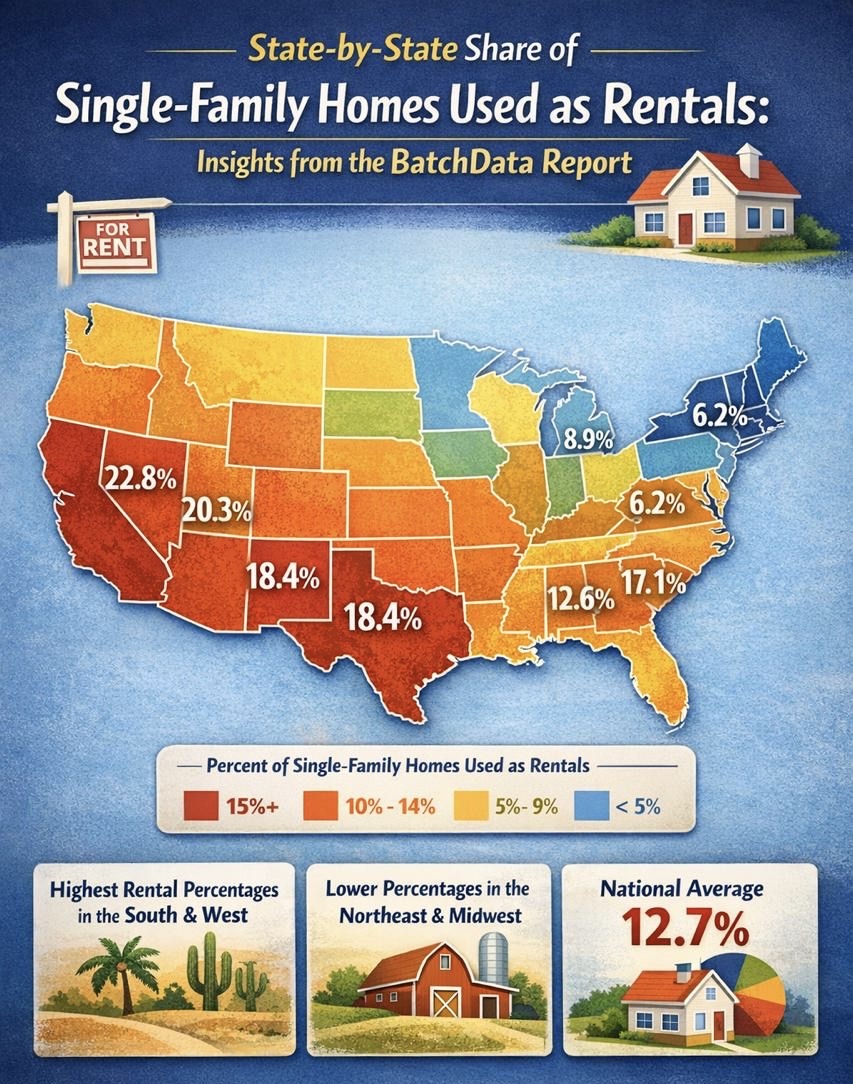
The U.S. housing market has experienced major changes in recent years, and one of the most notable shifts is the growing number of single-family homes being used as rental properties. According to the latest BatchData report, the share of single-family homes operating as rentals varies widely across states. This trend reflects changes in affordability, migration patterns, and investor activity across the country.
In this article, we explore the state-by-state distribution of single-family rental homes, why these trends are occurring, and what they mean for property owners, investors, tenants, and property management companies.
Understanding the Rise of Single-Family Rental Homes
Single-family rentals (SFRs) have become a major part of the U.S. housing market. Traditionally, rental housing was dominated by apartments and multi-family units. However, in the last decade, more investors and property owners have turned single-family homes into rental properties.
Several factors have contributed to this shift:
- Rising home prices that make homeownership difficult for many buyers
- Increased demand for suburban housing
- Institutional investors purchasing large portfolios of homes
- Migration to affordable states with growing populations
As a result, many families now choose to rent single-family homes rather than purchase them.
States with the Highest Share of Single-Family Rental Homes
According to the BatchData report, some states have a significantly higher percentage of single-family homes being used as rentals. These states often experience strong population growth, higher investor activity, and competitive housing markets.
Common characteristics of these high-rental states include:
- Strong job growth attracting new residents
- Limited housing inventory
- Rapid population growth in suburban areas
- Higher real estate investment activity
Southern and Sunbelt states frequently appear at the top of these rankings because of their affordability and migration trends.
States with Lower Shares of Rental Single-Family Homes
On the other hand, some states have a lower percentage of single-family homes used as rentals. In these areas, homeownership rates tend to be higher, and housing prices may be more stable or affordable.
Reasons for lower rental shares may include:
- Higher homeownership rates
- Slower population growth
- Less investor activity
- Strong local ownership traditions
These markets often remain dominated by owner-occupied housing.
Impact on Local Housing Markets
The increasing share of single-family rental homes has several impacts on local housing markets:
1. Housing Affordability
When investors purchase single-family homes to convert them into rentals, the supply of homes available for sale may decrease. This can contribute to rising home prices in some markets.
2. Rental Demand
More rental homes provide opportunities for families who want the space and privacy of a house without the commitment of homeownership.
3. Neighborhood Dynamics
A higher concentration of rental homes may change neighborhood demographics and increase demand for professional property management services.
What This Means for Property Owners and Investors
For real estate investors, the growth of the single-family rental sector presents new opportunities. Many investors are focusing on markets with strong rental demand and population growth.
Benefits of investing in single-family rentals include:
- Stable long-term rental income
- Appreciation potential in growing markets
- Strong tenant demand for suburban homes
- Lower turnover compared to apartments in some cases
However, managing rental properties effectively requires strong local market knowledge and reliable property management support.
Opportunities for Property Management Companies
As the number of single-family rental homes grows, property management companies play an increasingly important role. Professional managers help property owners handle tenant screening, maintenance, rent collection, and regulatory compliance.
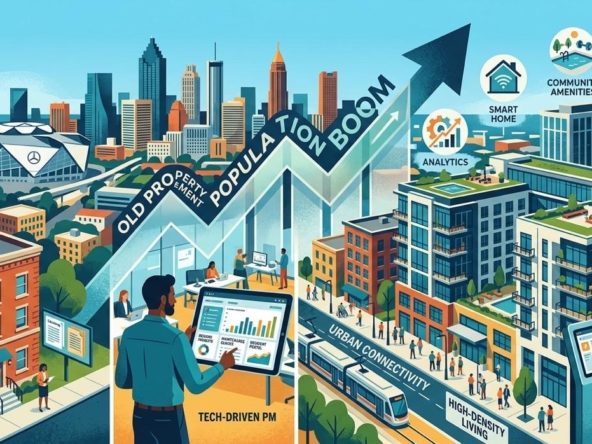
In high-growth markets like Atlanta and other major metro areas, the demand for experienced property managers continues to increase as more investors enter the single-family rental market.
The Future of the Single-Family Rental Market
The BatchData report suggests that the single-family rental sector will remain a key part of the housing market in the coming years. Population growth, migration trends, and affordability challenges are likely to continue driving demand for rental homes.
For investors, landlords, and property management companies, understanding state-by-state rental trends can provide valuable insights for making smarter real estate decisions.
The rise of single-family homes used as rentals reflects major shifts in the U.S. housing market. The BatchData report highlights how different states are experiencing this trend at varying levels, shaped by migration, affordability, and investment activity.
As housing demand evolves, both investors and property managers must stay informed about these trends to adapt and take advantage of emerging opportunities in the single-family rental market.