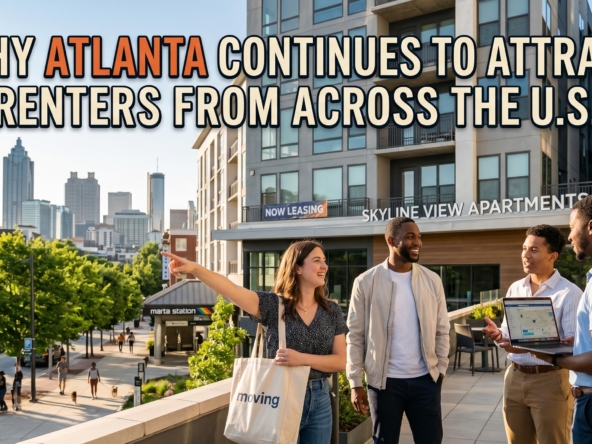
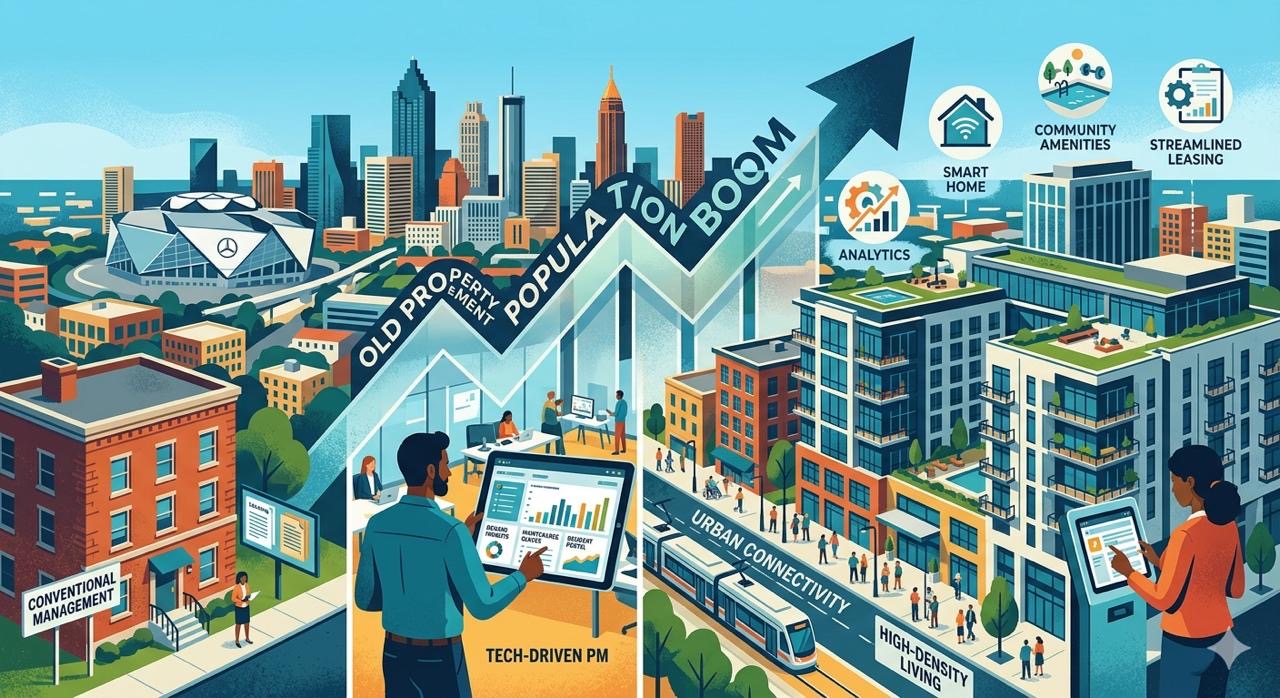
Atlanta has become one of the fastest-growing metropolitan areas in the United States, and that growth is having a profound impact on the real estate landscape—especially in property management. Drawing from U.S. Census Bureau data and metro growth studies, it’s clear that Atlanta’s rising population is not only increasing demand for housing but also forcing property managers to rethink how they operate, compete, and deliver value.
Over the past decade, metro Atlanta has experienced significant population growth, with millions of new residents moving into the region. This steady influx is driven by a combination of job opportunities, relatively affordable living compared to other major cities, and a strong business environment. As a result, housing demand has surged, creating both opportunities and challenges for property managers.
One of the most immediate impacts of population growth is the increased demand for rental housing. With more people moving into the area, occupancy rates have remained high, and vacancy periods have shortened considerably. Property managers can no longer rely on traditional leasing approaches. Instead, many are turning to data-driven strategies such as dynamic pricing models that adjust rents based on real-time market conditions. This allows them to maximize revenue while staying competitive in a crowded market.
However, while demand has increased, affordability has not kept pace. Despite a rise in housing construction across metro Atlanta, many residents are finding it difficult to secure affordable rental units. Studies show that although the supply of housing has grown, it has not adequately addressed the needs of lower- and middle-income households. This imbalance has pushed property managers to diversify their portfolios. Rather than focusing solely on high-end developments, many are now incorporating workforce housing and mid-tier rental options to meet broader market demand.
Another notable trend driven by population growth is the geographic shift in where people choose to live. While downtown Atlanta continues to attract residents, there has been substantial growth in suburban and exurban areas. Many newcomers, particularly families and remote workers, are seeking more space and affordability outside the urban core. This shift has significant implications for property management strategies. Managers are increasingly responsible for overseeing properties spread across wider geographic areas, which requires more efficient systems, better communication tools, and a stronger emphasis on localized market knowledge.
In addition, the rise of mixed-use developments has changed the way properties are managed. These communities combine residential, retail, and recreational spaces, creating a more integrated living experience. Property managers must now coordinate not just housing operations but also relationships with commercial tenants and community stakeholders. This requires a broader skill set and a more holistic approach to management.
Tenant expectations have also evolved alongside Atlanta’s population growth. The city has attracted a younger, more tech-savvy demographic, including professionals and remote workers who prioritize convenience and lifestyle amenities. As a result, property managers are under pressure to offer features such as smart home technology, high-speed internet, co-working spaces, and flexible lease terms. Properties that fail to meet these expectations risk losing tenants to more modern and adaptable competitors.
At the same time, affordability challenges have made tenant retention more important than ever. With rising rents and limited affordable options, residents are more sensitive to price increases and overall living costs. Property managers are responding by implementing retention-focused strategies such as loyalty incentives, flexible payment plans, and enhanced customer service. Building a sense of community within properties has also become a key priority, as satisfied tenants are more likely to renew their leases and recommend the property to others.
Another critical issue tied to Atlanta’s growth is the loss of affordable housing units. Over the years, the region has seen a significant decline in naturally occurring affordable housing, often due to redevelopment and rising property values. This trend has placed additional pressure on both renters and property managers. For managers, balancing profitability with affordability is becoming increasingly complex. Some are partnering with local governments and organizations to preserve affordable units or participate in housing programs that support lower-income residents.
Technology is playing a central role in helping property managers adapt to these changes. From online leasing platforms to maintenance tracking systems and tenant communication apps, digital tools are improving efficiency and enhancing the tenant experience. In a fast-growing market like Atlanta, the ability to scale operations and respond quickly to tenant needs is essential for long-term success.
In conclusion, Atlanta’s population growth is reshaping property management in fundamental ways. Increased demand, shifting demographics, evolving tenant expectations, and ongoing affordability challenges are all influencing how properties are managed across the metro area. Property managers who embrace innovation, diversify their offerings, and prioritize tenant satisfaction will be best positioned to thrive in this dynamic environment. As Atlanta continues to grow, adaptability will remain the key to success in the ever-changing world of property management.