
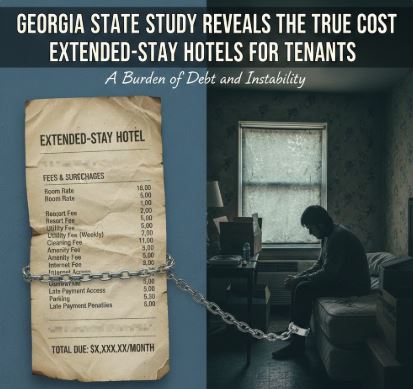
A recent Georgia State University study sheds light on a growing housing issue impacting Atlanta and metro Georgia: many tenants are spending more on extended-stay hotels than they would on traditional rental housing. For property managers and housing providers, this trend highlights both a challenge and an opportunity within Georgia’s rental market.
Why Tenants in Georgia Turn to Extended-Stay Hotels
Extended-stay hotels have become a temporary housing solution for tenants who face barriers to securing long-term rentals. In cities like Atlanta, Decatur, Marietta, Sandy Springs, and other South Florida—oops—Georgia metro areas, common obstacles include:
- Inability to afford security deposits and move-in fees
- Difficulty passing credit or background checks
- Prior evictions or limited rental history
- Immediate housing needs after job changes or displacement
While extended-stay hotels offer flexibility and no long-term commitment, they are often used as a last resort rather than a cost-effective option.
Extended-Stay Hotels Often Cost More Than Renting
According to the Georgia State study, extended-stay hotels can cost more than a rental when calculated monthly. Nightly and weekly rates add up quickly, frequently exceeding average apartment rents in Atlanta and surrounding areas. However, many tenants are unable to pay the upfront costs required to rent a home—even when monthly rent would be lower than hotel expenses.
This creates a financial trap: tenants pay higher short-term housing costs, leaving them unable to save for deposits and application fees needed to secure permanent housing.
What This Means for Property Managers in Georgia
For property management companies in Atlanta and across Georgia, this trend highlights the need for more accessible rental pathways. Flexible leasing options, deposit assistance programs, and second-chance rental policies can help bridge the gap between temporary lodging and stable housing.
Property managers who understand these challenges are better positioned to:
- Reduce vacancy rates
- Support housing stability
- Attract long-term, reliable tenants
- Strengthen relationships with local housing agencies
A Growing Opportunity in Georgia’s Rental Market
As housing costs continue to rise, extended-stay hotels are filling a gap they were never designed to serve. The findings from Georgia State University emphasize the importance of affordable rental housing, flexible screening practices, and tenant support programs—especially in high-demand markets like Atlanta, Fulton County, DeKalb County, and Cobb County.
Extended-stay hotels may offer immediate shelter, but they often come at a higher cost than renting. For Georgia property managers, addressing the barriers that push tenants into temporary housing can help create more stable communities while strengthening the local rental market.