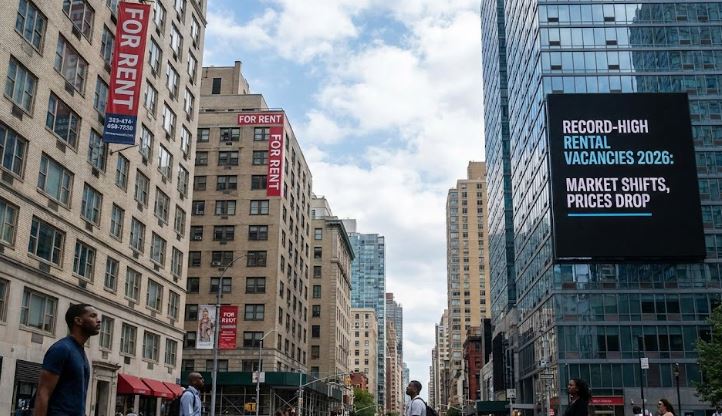
The U.S. rental housing market is undergoing a major shift in 2026. After years of tight supply, rising rents, and fierce competition, rental vacancy rates have reached a record high nationwide. This change marks a turning point for renters, landlords, and real estate investors alike.
While the headline numbers may raise concerns for property owners, the broader story is more nuanced—and for some, full of opportunity.
Why Are Rental Vacancy Rates So High in 2026?
Several key factors have contributed to the surge in rental vacancies across the U.S.:
1. Massive New Apartment Supply
Over the past few years, developers completed a wave of multifamily projects, especially in major metros. Thousands of new units hitting the market at once have created oversupply in many regions.
2. Slower Population Growth & Migration Shifts
Remote work normalization and changing lifestyle preferences have slowed demand in certain cities while redistributing renters to suburban and secondary markets.
3. Affordability Pressure Reached Its Limit
Years of rent increases pushed many renters to downsize, double up, or move back home. As demand softened, vacancies increased.
Landlord Challenges & Investor Opportunity in 2026
Record-high rental vacancies are creating pressure for landlords—but they are also opening the door for strategic investors.
Higher vacancy rates mean increased competition, more concessions, flexible lease terms, and in some markets, declining rents. For many property owners, lower rental income combined with rising operating costs is squeezing cash flow. As a result, some landlords are choosing to sell, which can push property prices downward.
This shift creates a unique buying window.
When rents soften, property values often adjust as well—especially for investors who base pricing on income performance. That means buyers can acquire rental properties at more favorable prices than in previous years. For long-term investors, purchasing during a period of temporary vacancy pressure can lead to strong upside once supply stabilizes and demand rebounds.
At the same time, existing landlords can adapt rather than exit. Creative rental strategies are becoming essential in 2026. For example:
- Renting to Section 8 tenants to reduce vacancy risk
- Adjusting lease terms to attract stable, long-term renters
- Offering furnished or mid-term rentals in select markets
- Improving property management and tenant retention efforts
Section 8 programs, in particular, can help stabilize income by reducing vacancy and ensuring consistent rent payments, while still allowing landlords to achieve competitive rental rates.
Markets like Atlanta illustrate this dynamic clearly. While short-term vacancy rates may be elevated, the city’s strong long-term job growth and population trends continue to support housing demand. Investors who purchase at discounted prices during periods of softness may benefit significantly when the market tightens again.
In every cycle, some landlords exit, some adapt, and some expand. In 2026, those who understand the shift—and act strategically—may find this to be one of the most compelling acquisition periods in years.
Good News for Renters: Affordability Improves
For renters, this shift is a welcome relief. High vacancy rates are already leading to:
- Stabilizing or declining rents
- Greater negotiating power
- More choices in desirable neighborhoods
In many cities, renters are finally seeing the benefits of a balanced market after years of affordability challenges.
Smart Strategies for 2026 Real Estate Investors
To succeed in the current rental market, investors should:
- Target high-growth metros with short-term oversupply
- Focus on value-add properties that can stand out
- Underwrite conservatively with realistic rent assumptions
- Prepare for stronger returns in the next cycle
The record-high rental vacancy rates in 2026 signal a clear shift in the U.S. housing market. While landlords face new challenges, renters benefit from improved affordability—and investors willing to act strategically can uncover exceptional opportunities.
Markets like Atlanta prove that even in uncertain times, real estate remains a powerful long-term investment for those who buy smart and plan ahead.